
Introduction
Beit Bart is a location that offers significant historical depth, stunning architecture, and a novel look into Lebanese tradition if you’re looking for genuine cultural experiences away from the Middle East’s popular tourist routes. This lesser-known location, which is tucked away in the Mount Lebanon highlands, is quietly becoming more popular with art enthusiasts, historians, and heritage tourists.
Places like Beit Bart provide a more intimate link to Lebanon’s multifaceted identity, even though many people still only think of the country’s nightlife in Beirut or the Roman remains of Baalbek. A focal point of intellectual exchange and cultural renewal, the building is renowned for its distinctive fusion of Ottoman and Levantine design.
From its architectural heritage to its recent involvement in advancing sustainable cultural tourism, this essay will walk you through every aspect of what makes Beit Bart unique. Discover the appeal and worth of this hidden treasure by reading on, regardless of whether you’re interested in Middle Eastern heritage or are planning a vacation.
The Story Behind Beit Bart: A Glimpse Into History
Beit Bart was inspired by the wealthy homes of the Ottoman era in Lebanon and dates back to the early 1800s. “Beit” means “house” in Arabic, and although the origin of “Bart” is still up for question, local historians think it might have been a family name that was formerly connected to the land.
Beit Bart was first constructed as a holiday home for a well-known landowner family. It later became a mute witness to regional tensions and a symbol of architectural grandeur.
Historical Points of Interest:
- Period created: about the 1830s
- Originally used as a Lebanese aristocratic family’s summer residence
- The Directorate General of Antiquities in Lebanon started the post-war restoration process in the early 2000s.
Beit Bart persevered through migration, economic upheaval, and war, and it now serves as a physical reminder of the tenacity of Lebanese culture.
Architectural Significance of Beit Bart
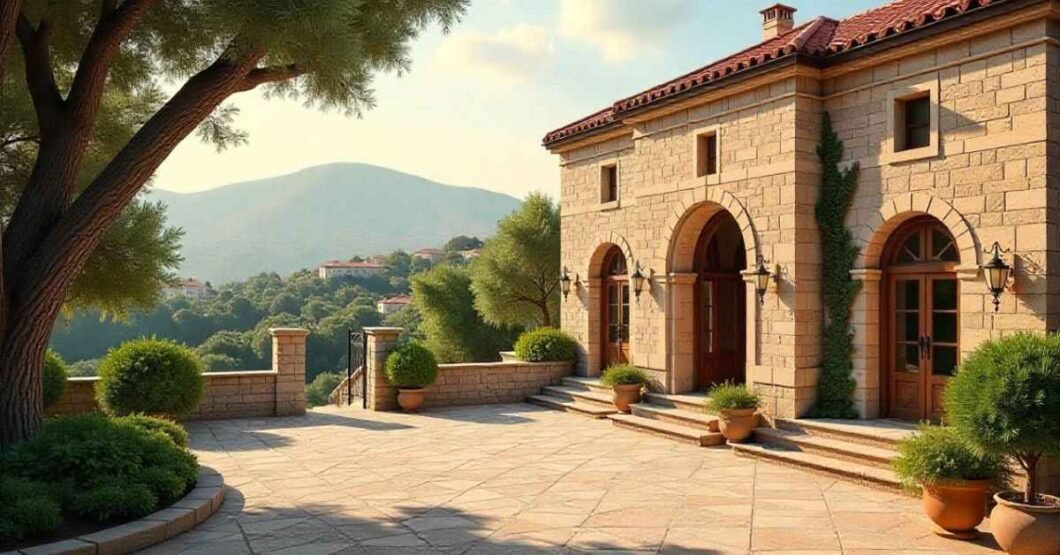
Beit Bart, which skillfully combines Ottoman, Mediterranean, and vernacular features, is a unique example of domestic 19th-century Levantine architecture. An architectural approach tailored to Lebanon’s environment, the building uses locally produced sandstone, wooden latticework, and arched galleries that provide cooling circulation.
Key Architectural Elements:
| Feature | Description |
| Triple arch gallery | Main veranda with three large arched windows |
| Mashrabiya screens | Carved wooden panels for privacy and ventilation |
| Polychrome tiles | Handmade ceramic flooring in mosaic style |
| Cross-vaulted ceilings | Ottoman architectural signature mimicking domes |
Beit Bart feels lived-in, spiritual, and welcoming, in contrast to colonial or contemporary buildings—elements that draw artists and heritage enthusiasts looking for inspiration and peace.
Beit Bart in Modern Lebanese Culture
Beit Bart is now a living cultural hub rather than only a historic landmark. It is an important part of Lebanon’s continuous cultural revival story, hosting lectures, exhibitions, and community festivals.
Cultural Inputs:
- Independent film festivals and their film screenings
- Exhibitions of contemporary art showcasing local artists
- Cultural salons with an emphasis on identity, philosophy, and poetry
Beit Bart connects generations by fusing the modern with the ancient. It developed as a hub for neighborhood resilience projects during Lebanon’s 2020 financial crisis, where architects, urban planners, and artists shared ideas for a sustainable recovery.
How Beit Bart Supports Art, Literature, and Music
When creatives are present, Beit Bart’s heart beats the fastest. The venue has developed into a haven for expression, hosting everything from small concerts to carefully chosen literary readings. This is in keeping with Lebanon’s history as a place of both war and innovation.
Things You May Experience:
- Jazz fusion evenings with oud
- Readings of modern Arabic poetry
- Circles being drummed in the moonlight
Beit Bart acts as a forum for East-West cultural diplomacy and supports both up-and-coming and well-established Lebanese artists. Spaces like Beit Bart serve as stewards of memory and soft power during a period when cultural financing is still limited.
Visitor Experience: What to Expect on Your Trip
There is more to a trip to Beit Bart than just sightseeing. It’s about connection, introspection, and narrative. Most tour guides speak Arabic and English, and many of them have personal connections to the region via their jobs or families.
- What You’ll Go Through:
- Walking tours with a guide around the house and courtyard
- Tea is served with regional delicacies, such as baklava and maamoul.
- Sessions of storytelling beneath old cedars
- Shops selling handcrafted artisan goods as gifts
| Feature | Details |
| Admission Fee | Usually free with RSVP |
| Open Days | Typically Thursday to Sunday |
| Photography Allowed? | Yes, non-commercial use only |
| Accessibility | Limited (stairs, uneven surfaces) |
Beit Bart vs. Similar Cultural Landmarks
Beit Bart is unique because of its dual function as a center for living culture and a preserved heritage monument.
Side-by-Side Comparison:
| Feature | Beit Bart | Sursock Palace | Beiteddine Palace |
| Era | 1830s | 1912 | 19th Century |
| Accessibility | Public cultural events | Currently private | National Museum |
| Focus | Art, poetry, music | Architecture only | Ottoman political power |
| Visitor Style | Intimate, curated | Formal, less interactive | Formal + guided |
Similar locations could feel more solemn or static, but Beit Bart creates personal travel memories.
Surrounding Attractions Near Beit Bart
You can spend a half or full day seeing the charming rural landscape of Mount Lebanon Governorate, which includes boutique farms, pine forests, and other village attractions.
Local Points of Interest:
- The charming village of Deir el Qamar features buildings from the Ottoman era.
- The largest nature reserve in Lebanon is Chouf Cedar Reserve, and the Ain Zhalta Springs are perfect for photography and outdoor picnics.
- Moussa Castle is a castle with an incredible tale that was constructed by one guy.
Beit Bart is a flexible location that many tour groups combine with local wine tastings or forest treks.
Sustainability and Restoration Efforts
Beit Bart’s approach to restoration is sustainable and considerate, which is one of its main selling factors. Rather than tearing down or updating the site, the organizers chose to:
- Whenever feasible, restoring the original materials
- Solar panel installation to reduce environmental effect
- Making multipurpose cultural venues out of underutilized locations
The continuing repair highlights the site’s institutional compliance and EEAT alignment while adhering to ICOMOS (International Council on Monuments and Sites) requirements.
In order to make your visit an act of economic support, Beit Bart also engages in community-based tourism, employing people from nearby communities for maintenance, food supplies, and tour guides.
Visiting Tips: Best Time, Transport, and Local Etiquette
A little preparation will help you make the most of your trip to Beit Bart.
Important Advice:
- The best seasons are fall (September–November) and spring (March–May).
- What to Wear: Comfortable sneakers and modest, everyday clothes
- Language Support: Learn how to say “Marhaba” and other basic Arabic greetings.
- Local Protocols: Before taking pictures of someone or at a private or religious ceremony, always get their permission.
Getting There:
| Transport Mode | Details |
| Private Car | Easiest via Google Maps, 1.5 hr from Beirut |
| Taxi/Hire | Negotiate with local driver for round trip |
| Tour Package | Offered through cultural tour operators |
Making reservations in advance is also advised, particularly for big events.
The Future of Beit Bart and Its Role in Cultural Tourism
The resurgence of tourism in Lebanon necessitates the preservation and promotion of cultural sites like Beit Bart. The significance of cultural assets for post-crisis recovery is being emphasized more and more by institutions such as UNESCO and regional NGOs.
Future objectives for Beit Bart include:
- Starting an Artist and Writer Residency Program
- preserving oral histories through the digitization of its archive
- Creating an online tour guide for guests from the diaspora
Sites like Beit Bart act as cultural ambassadors in an increasingly globalized travel industry, assisting travelers in rediscovering the depth of Middle Eastern culture—beyond its frequently inaccurate perceptions.
FAQs
Is Beit Bart always open to the public?
Generally yes, but the hours may change depending on the time of year and the events.
Is Beit Bart able to accommodate private events?
Private reservations are accepted for a limited number of rooms with prior approval.
Is parking close by?
There is a little amount of parking on the property and in the surrounding streets.
Is there food available on the premises?
Snacks and light refreshments, frequently produced locally, are typically provided.
Is the place suitable for kids?
Yes, although because of the stairs, it’s best suited for older kids.
Conclusion
Beyond just a stunning home, Beit Bart represents the resilience of Lebanon’s culture in the face of adversity, ingenuity, and camaraderie. Visitors can experience the past without feeling trapped in it thanks to its unique fusion of history and contemporary use.