
Introduction
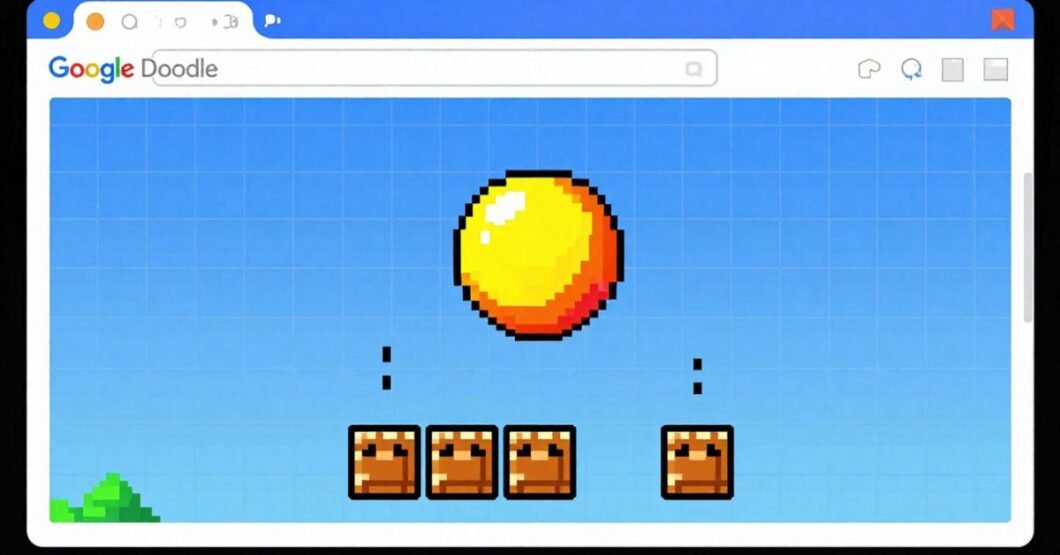
If you’ve recently found yourself typing random search queries on Google only to get sidetracked by a nostalgic mini-game, you’re not alone. That’s part of the charm of the Google Doodle Block Breaker, Google’s interactive homage to a classic arcade genre that’s as challenging as it is addictive.
Inspired by the iconic Arkanoid-style block-breaking games, this Doodle version is packed with vibrant visuals, physics-based mechanics, and a growing number of challenging levels. It’s a game that brings back childhood memories while offering a slick, modern interface that feels perfectly tuned for casual gamers and Arkanoid veterans alike.
Whether you’re aiming to beat your own high score or just need a 5-minute break from work, this Doodle will test your reflexes, timing, and spatial awareness—all in a streamlined browser environment.
Let’s take an in-depth look at the game’s design, gameplay, history, and strategies and why it has become one of the most beloved Easter eggs on the web.
What is Google Doodle Block Breaker?
Google Doodle Block Breaker is an interactive mini-game embedded within a commemorative Google Doodle. Like other Doodles, it was launched to celebrate either a historical milestone, a gaming anniversary, or a global event tied to fun and culture.
Features:
- Browser-based interface
- Responsive controls (mouse/keyboard/touch)
- Increasing difficulty with level progression
- Pixel-inspired art style with Google’s branding
- Unique audio effects and collectables
Quick Rundown:
| Attribute | Description |
| Game Style | Arkanoid/Brick Breaker |
| Platform | Google Doodle (Browser-only) |
| Platforms Supported | Desktop, Mobile, Tablet |
| Device Requirement | None—runs entirely in browser |
| Monetized | ❌ No ads, no sign-ups |
Doodle Block Breaker brings retro fun to the modern age, no downloads required.
The History of Arkanoid and Block Breaker Games
To understand the charm of this Doodle version, we need to rewind to the 1980s. The first block-breaking game, Breakout, was released by Atari in 1976. Later, developers like Taito upped the ante with the now-legendary Arkanoid in 1986.
These games followed a simple mechanic:
- You control a paddle at the bottom of the screen.
- A ball bounces around the playfield.
Evolution Timeline:
| Year | Milestone |
| 1976 | Breakout by Atari |
| 1986 | Arkanoid released by Taito |
| 2000s | Block Breakers adapted to mobile |
| 2020+ | Google Doodles revive block breaker |
The core gameplay was easy, but adding power-ups, moving blocks, enemies, and fast-paced levels turned it into an arcade phenomenon that remains relevant today.
How Google Doodle Recreated Block Breaker
Google’s engineering and art teams have turned the humble browser tab into a gaming arena once again. The Doodle version faithfully replicates the underlying mechanics of Arkanoid, yet adds its own unique twist.
Google Doodle Block Breaker Includes:
- Crisp, minimalist pixel graphics themed around the Doodle topic
- Multiple game rounds with increasing complexity
- Power-ups (multi-ball, extended paddles, fireballs)
- Fast-paced transitions
- Responsive controls across devices
- A real-time scoreboard and progress meter
It’s not a port — it’s a modern remix, optimised for speed, accessibility, and visual engagement.
Core Gameplay Mechanics of Block Breaker
If you’ve never played a block breaker game, the concept is pretty intuitive.
| Element | Function |
| Paddle | Controlled via mouse, touch, or keyboard |
| Ball | Auto-launches or manual start |
| Blocks | Vary in hit points, color-coded levels |
| Power-ups | Drop from blocks, must be caught to use |
| Score | Increases based on combos and bonuses |
Unique Gameplay Elements in the Doodle Edition:
- Colour-shifting blocks
- Secret bonus rounds
- Gravity zones where the ball speeds up
- Sounds tuned to Google’s brand identity
Expect a rise in difficulty by level 4–5, with blocks requiring multiple hits or unpredictable bounces.
Tips and Tricks to Master Block Breaking Levels
New to the game? These tips will help:
Pro Tips:
- Use angles to your advantage — ball movement realism works in your favour.
- Catch power-ups even if it means sacrificing one block
- Don’t always stay centred — follow the path of the last bounce.
- Learn block patterns: some levels have symmetrical logic worth exploiting.
Top Strategies Table:
| Strategy | What It Does |
| Lateral Paddle Drifting | Helps prepare for edge rebounds |
| Power-Up Prioritization | Boosts survival and block-clear speed |
| Controlled Bouncing | Prevents unpredictable corner flukes |
| Patience in Bonus Stages | Helps you gain max points with minimal movement |
Game Comparison: Google Doodle vs Classic Arkanoid
Here’s how Google Doodle Block Breaker stacks up against its ancestors.
| Feature | Google Doodle | Classic Arkanoid |
| Availability | Web-only (free) | Arcade, console |
| Graphics | Stylized pixel-art | Vintage retro |
| Power-ups | ✓ Yes | ✓ Yes |
| Number of Levels | Medium (~10–15) | Large (30+ levels) |
| Controls | Mouse/Touch/Keys | Joystick |
| Overall Difficulty | Medium | High |
The Doodle version keeps difficulty approachable without sacrificing retro appeal, making it perfect for anyone from casual fans to nostalgic gamers.
Why the Doodle Block Breaker Is So Addictive
The feeling of bouncing a ball and watching blocks disappear triggers both dopamine and focus loops in our brain.
Psychology of Addictive Gameplay:
- Simple rules, increasing difficulty
- Immediate reward feedback
- Visual and audio inputs create immersion
- Encourages one-more-try behaviour
Google Doodle games strike this balance beautifully. You can play and leave anytime — but you rarely want to.
The Cultural Importance of Google Doodles in Gaming
Google Doodles have transcended logos—they’ve become interactive art and education tools.
Notable gaming-based Doodles:
- Pac-Man 30th Anniversary (2010)
- Olympic Champion Mini-Games (2021 Tokyo Edition)
- Snake, T-Rex Runner, Minesweeper Recreations
Games like Google Doodle Block Breaker keep retro-style gaming not just alive but embedded into our daily web experience.
FAQs
Where can I play Google Doodle Block Breaker?
On the Google homepage, usually via special Doodle events or the Doodle archive.
Is the game available on all devices?
Yes, it runs on most modern browsers — desktop, tablet, or mobile.
Does Google save scores or offer login features?
No login is required, and scores reset per session unless linked to your Google account activity backlog.
How long does a game last?
Most levels take 2–5 minutes; a full run might take 20–30 minutes.
Are there any hidden levels or Easter eggs?
Some Doodles include surprise rounds; pay attention to changing icons or triggers.
Conclusion
The Google Doodle Block Breaker isn’t just a tribute — it’s a refreshing online celebration of one of gaming’s most iconic genres. It delivers everything a modern digital experience should: accessibility, nostalgia, challenge, and charm.
Whether you’re killing time or chasing a high score, this Doodle offers a fun, low-pressure way to engage in addictive gameplay with a purposefully minimal learning curve.