
Introduction
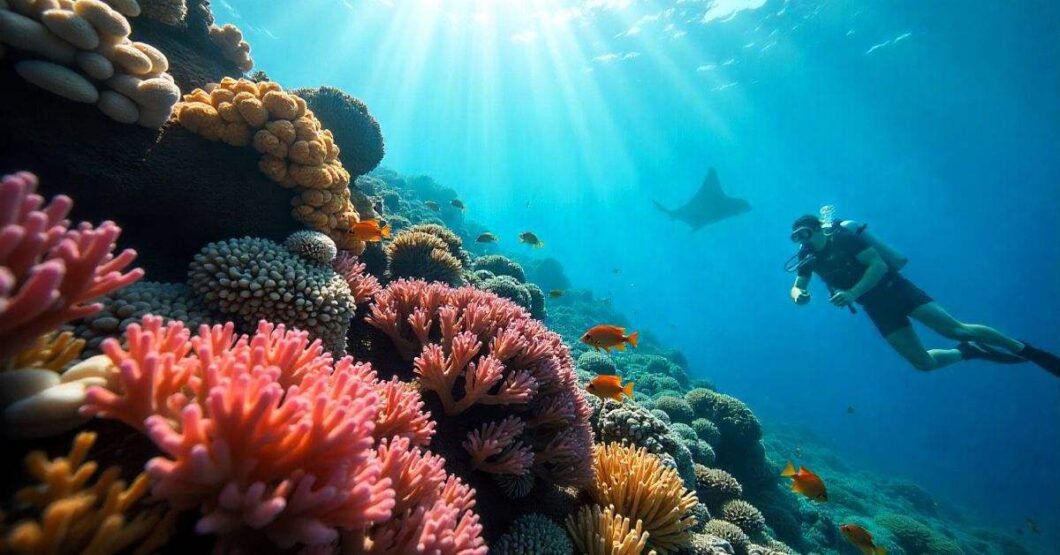
Blessed with crystal-clear waters, world-renowned reefs, and an explosion of marine biodiversity, diving in Fiji is a bucket list experience for beginners and seasoned divers alike. Often called the “Soft Coral Capital of the World”, Fiji offers more than vivid reefscapes—it’s also home to thrilling walls, shark dives, macro life, and warm waters year-round.
Located in the heart of the South Pacific, Fiji consists of more than 300 islands and boasts some of the most pristine and biodiverse diving ecosystems on the planet. Whether you’re looking to swim with gentle manta rays or explore technicolour soft coral gardens, this guide covers everything you need to know about planning—and enjoying—an unforgettable diving adventure in Diving in Fiji.
Why Fiji Is a World-Renowned Dive Destination
Fiji’s waters are teeming with marine life, thriving coral reefs, and memorable seascapes shaped by volcanic and tectonic activity. But what truly sets it apart?
Key Highlights:
- Home to over 1,500 species of fish and 400+ coral types
- Protected marine parks and responsible tourism initiatives
- Easily accessible from major Pacific and Australian cities
- Cultural immersion from land to sea
| Feature | Fiji Compared to Other Destinations |
| Soft Coral Diversity | 🌟 Best in the world |
| Visibility | 20–40 meters (65–130 feet) |
| Water Temperature | 26–30°C (79–86°F) |
| Year-Round Diving | ✅ Yes |
Fiji isn’t just beautiful—it’s ecologically rich, culturally inviting, and logistically manageable for travellers.
Best Time of Year for Diving in Fiji
Diving in Fiji offers year-round diving, but the best experience depends on what you want to see.
| Season | Months | Highlights |
| High Season | May – October | Best visibility, cooler temps |
| Wet Season | December – April | Warmer water, more plankton/fish |
| Manta Ray Season | May – October | Peak sightings in Yasawas/Kadavu |
| Coral Spawning | October – November | Mating activity, vibrant reefs |
Pro diver tip: July–September offers the best overall visibility and coral colour vibrancy.
Top Dive Sites in Fiji You Shouldn’t Miss
Fiji’s dive sites offer something for every skill level—from high-voltage drift sites to tranquil coral lagoons.
Must-Dive Locations:
| Dive Site | Location | What Makes It Special |
| Rainbow Reef | Taveuni | Famous for vibrant soft coral gardens |
| Great White Wall | Taveuni | Coral-covered wall glowing with white Dendronephthya |
| Beqa Lagoon | Pacific Harbour | Legendary shark dives (bull, tiger sharks) |
| Nigali Passage | Gau Island | Drift dive with amazing pelagic activity |
| Namena Marine Reserve | Vanua Levu | Protected reef system, macro + big fish combo |
Each dive site offers dramatic topography, walls, caverns, and marine channels—perfect for divers seeking variation.
Marine Life You Can Expect to See
Fiji’s nutrient-rich waters support an astonishing diversity of marine life—from microscopic nudibranchs to magnificent apex predators.
Typical Encounters:
- Reef sharks, bull sharks, and tiger sharks (Beqa Lagoon)
- Manta rays and eagle rays
- Sea turtles (hawksbill & green)
- Clownfish, anthias, and butterflyfish
- Macro gems: nudibranchs, leaf scorpionfish, seahorses
| Group | Species Examples |
| Sharks | White-tip, grey reef, bull, tiger |
| Rays | Manta rays (reef + oceanic), eagle |
| Turtles | Hawksbill, green |
| Macro Critters | Frogfish, pipefish, nudibranchs |
Conservation efforts by organisations like the Wildlife Conservation Society – Fiji are helping preserve these animals’ habitats.
Diving in Fiji Soft and Hard Coral Gardens
Diving in Fiji moniker as the Soft Coral Capital of the World is no exaggeration. Home to Dendronephthya coral forests that billow like undersea clouds, it’s a paradise for wide-angle underwater photography.
Soft Coral:
- Vivid pinks, purples, reds, and yellows
- Flowing coral “trees” that add texture and movement
Hard Coral:
- Table corals, elkhorn, lettuce, and boulders
- Highly structured reefs teeming with damselfish and wrasses
| Coral Type | Best Sites |
| Soft Coral | Rainbow Reef, Great White Wall, Wakaya |
| Hard Coral | Namena Reserve, Bligh Waters, Vatu-i-Ra |
Tip: Choose full-spectrum dive lights to bring out coral fluorescence.
Diving Certification Requirements in Fiji
Fiji welcomes certified divers from all major agencies, but beginner programmes are also widely available. Here’s what you need to know:
Dive Certification + Depth Guidelines:
| Certification Level | Max Recommended Depth | Notes |
| Open Water Diver | 18 meters (60 ft) | Good for most shallow reefs |
| Advanced Open Water | 30 meters (100 ft) | Required for deeper drift dives |
| Rescue Diver | No depth limit | Recommended for remote diving |
- Some sites (like Beqa Shark Dive) require minimum AOW + experience in currents.
- Major providers: PADI, SSI, NAUI
Liveaboard vs Day Dives: What to Choose
Both shore-based diving and liveaboards have benefits, depending on your itinerary.
Liveaboard Diving:
- Multi-day stays on travelling dive vessels
- Access to remote sites like Wakaya, Namena, and Lau Group
Day Dives:
- Ideal for casual divers or short stays
- Centred around locations like Nadi, Taveuni, and Kadavu
Pro tip: Combine a land-based resort dive week with a mini liveaboard for the best of both worlds.
Eco-Diving and Marine Conservation in Fiji
Fiji is at the forefront of marine conservation and responsible tourism. Many dive operators support initiatives that contribute directly to reef health.
Key programmes:
- Reef check & coral planting
- Plastic-free dive shops & sustainable lunch programmes
- Community-led marine protected areas (MPAs)
Projects Abroad + Beqa Adventures
Choose a dive operator affiliated with Green Fins for the most eco-conscious experience.
Travel Tips, Costs, and Planning a Dive Trip to Fiji
Getting There:
- Major entry ports: Nadi International Airport (NAN), Suva (SUV)
- Airlines: Fiji Airways, Qantas, Air New Zealand
Budgeting:
| Expense Category | Avg. Cost (USD) |
| Open Water Course | $400–500 |
| Two-tank Boat Dive | $90–150 |
| Liveaboard (5 days) | $1800–2500 |
| Dive Resort (per night) | $150–400 |
Pre-book dive sites during high season.
Bring your own mask/dive computer to save rental costs.
Consider dive insurance (especially DAN or DiveAssure).
Bonus: Most resorts and boats offer combo packages that cut down pricing.
FAQs
Do I need a licence for diving in Fiji?
Yes, a recognised open water certification is required for most dive sites.
What is the best month to dive in Fiji?
July to September offer the best visibility and weather.
Can beginners dive in Fiji?
Absolutely! Many locations offer discovery dives or full certification courses.
Is diving with sharks in Fiji safe?
Yes, regulated shark dives in Beqa Lagoon are led by experts and have an excellent safety record.
Are there liveaboard diving options in Fiji?
Yes, there are several liveaboards that travel to more remote and untouched sites.
Conclusion
Diving in Fiji isn’t just another vacation—it’s a next-level immersion into vibrant marine life, colourful corals, and meaningful environmental travel. Whether it’s your first tropical dive trip or the hundredth entry in your logbook, Fiji will elevate your experience with its biodiversity, warmth, and unforgettable seascapes.